Life Cycle Assessment (LCA) - WESSLING

Contact Us!

Please find below contact details and contact us today! Our experts always ready to help you.

Contact form

Life Cycle Assessment (LCA)

WESSLING empowers corporate sustainability through international standards.

As sustainability increasingly becomes a core competitive advantage for businesses, quantifying and managing the environmental impact of products and services throughout their entire lifecycle has become the cornerstone of corporate ecological, economic, and social responsibility.

WESSLING provides comprehensive life cycle assessment services for your products and processes in strict accordance with DIN EN ISO 14040, “Life Cycle Assessment—Principles and Framework,” and DIN EN ISO 14044, “Life Cycle Assessment—Requirements and Guidelines.”

What is a life cycle assessment?

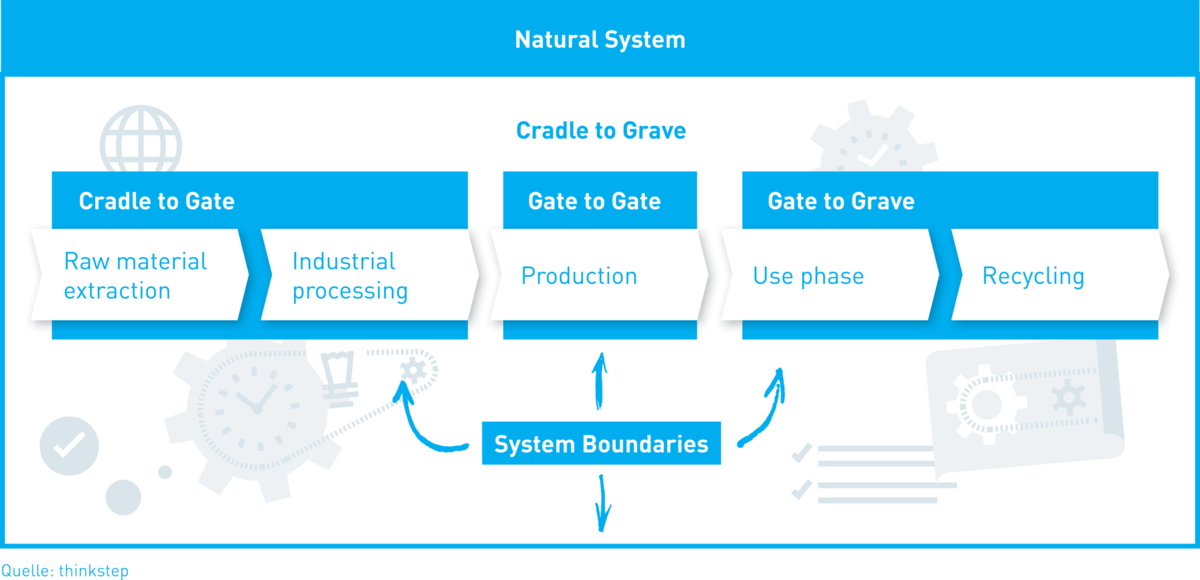
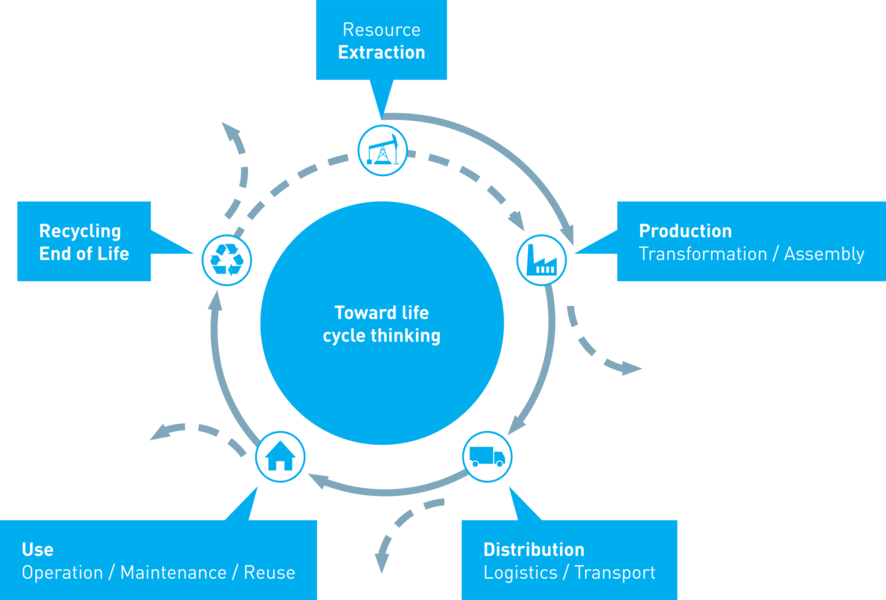
Life Cycle Assessment (LCA) is a standardized method for systematically and quantitatively analyzing the resource and environmental efficiency, as well as the potential impacts, throughout the entire life cycle of products and technologies. Adopting a “cradle-to-grave” perspective, it evaluates the comprehensive environmental impacts of every stage of a product’s life cycle—from raw material extraction and manufacturing to use and consumption, and finally to end-of-life disposal. Unlike traditional, single-dimensional environmental assessments, LCA focuses not only on carbon emissions but also encompasses multi-dimensional environmental impact indicators such as water footprint, resource consumption, ecotoxicity, and acidification, providing businesses with a comprehensive “panorama” of their environmental impact.

With the growing prevalence of global green trade barriers and the ongoing implementation of regulations such as the EU Corporate Sustainability Reporting Directive (CSRD) and the Product Environmental Footprint (PEF) framework, life cycle assessment has evolved from a mere “bonus” for companies to a “passport” for entering international markets.

WESSLING's Life Cycle Assessment Services

WESSLING experts conduct life cycle assessments (LCAs) for companies in strict accordance with two authoritative international standards: DIN EN ISO 14040 (Life Cycle Assessment—Principles and Framework) and DIN EN ISO 14044 (Life Cycle Assessment—Requirements and Guidelines). ISO 14040 establishes the methodological framework and fundamental principles of LCA, while ISO 14044 further specifies the specific requirements and operational procedures for the assessment. Together, these two standards constitute the recognized gold standard in the field of LCA. We use these standards to provide companies with professional support that meets these requirements as they fulfill their environmental, economic, and social responsibilities, ensuring that every assessment result is internationally comparable, scientifically rigorous, and recognized by regulatory authorities.

WESSLING’s Life Cycle Assessments strictly adhere to the four-step framework specified in ISO 14040/14044, ensuring that every step withstands scrutiny and verification:

  • I: Definition of Objectives and Scope
  • II: Life Cycle Inventory (LCI) Analysis
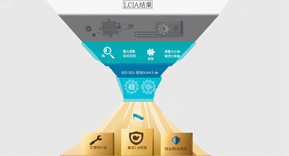
  • III: Life Cycle Impact Assessment (LCIA)
  • IV:Life Cycle Interpretation
Awesome Image

In full compliance with the requirements of Chapter 5 of ISO 14040 and Chapter 4 of ISO 14044, we work with you to identify assessment objectives, clearly define system boundaries (such as cradle-to-gate or cradle-to-grave), and precisely establish functional units and data quality criteria. This step determines the overall direction and level of detail of the entire assessment, ensuring that the results can effectively support specific business decisions or external communication objectives.

Awesome Image

In strict compliance with Section 4.3 of ISO 14044, we systematically collect and calculate all inputs (materials, energy, and other resources) and outputs (emissions such as air pollutants, wastewater, and solid waste) throughout the entire life cycle of a product system. WESSLING combines first-hand on-site data with authoritative international databases and implements rigorous data validation and allocation procedures to ensure the completeness and accuracy of the life cycle inventory data.

Awesome Image

In accordance with Section 4.4 of ISO 14044, we convert inventory data into specific environmental impact indicators. By employing internationally recognized characterization models, we conduct quantitative assessments across multiple categories—including global warming potential, acidification potential, eutrophication, and ozone depletion—to clearly prioritize the various environmental impacts of a product.

Awesome Image

In accordance with Section 4.5 of ISO 14044, we conduct materiality analysis, completeness checks, sensitivity analysis, and consistency checks on the results of our analysis. We deliver not only a data report but also fact-based recommendations for improvement and a strategic roadmap, thereby truly translating the assessment results into actionable environmental, economic, and social value.

Our end-to-end sustainable management solutions

Our Core Strengths

Frequently Asked Questions (FAQ)

Q1: Which companies need to conduct life cycle assessments?

Virtually all manufacturing companies can benefit from LCA. In particular, companies that export products to the EU market, plan to apply for EPD certification, wish to optimize their products’ environmental performance, or are bidding on sustainable construction projects will gain a significant strategic advantage by conducting an LCA at an early stage.

Q2: What is the difference between a life cycle assessment (LCA) and a carbon footprint?

LCA is a comprehensive assessment that evaluates a product’s impact across a wide range of environmental categories, including global warming, acidification, water eutrophication, and resource consumption; in contrast, the carbon footprint focuses on a single indicator: greenhouse gas emissions. Simply put, LCA is a “comprehensive health checkup,” while the carbon footprint is a “targeted examination” of carbon emissions. Each has its own focus and the two are complementary.

Q3: How long does it take to conduct a full LCA?

The timeline varies depending on product complexity, data availability, and the scope of the assessment. WESSLING’s team of experts will engage in thorough communication with clients at the outset of the project to establish a clear timeline and ensure the assessment proceeds efficiently. High-quality preliminary data preparation is key to shortening the assessment timeline, and our team will provide guidance throughout the process.

Q4: What guarantees does WESSLING offer regarding its databases and software?

WESSLING utilizes internationally recognized, high-quality databases and advanced life cycle assessment software to ensure that clients receive objective and impartial assessment results. Data sources are transparent and traceable, and fully comply with ISO audit requirements.

Please feel free to contact us using the form below!